Closing the Gaps
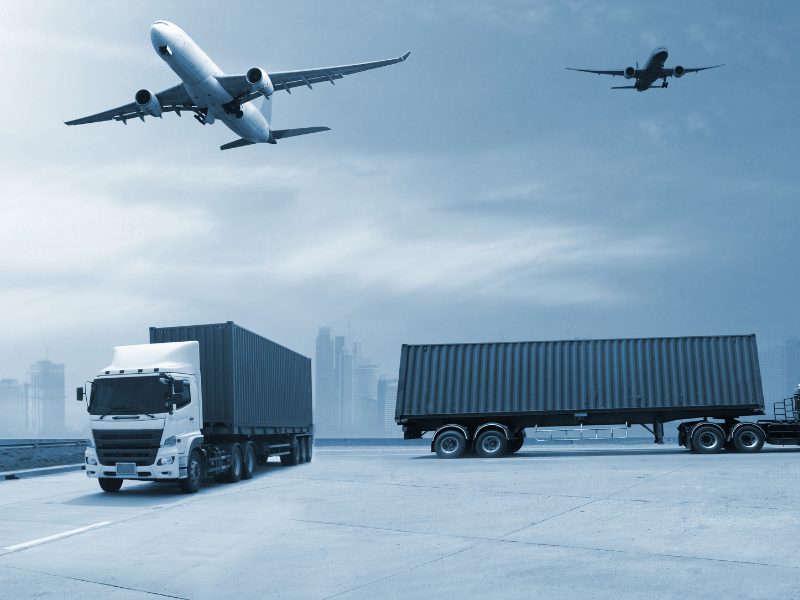
True Control in Exports and Imports
Exports and imports don’t fail at borders — they fail in the gaps between disconnected control points across the supply chain.
Professional International Holdings eliminates those gaps with one fully integrated system from export to import, ensuring end-to-end control and visibility.
Exports and imports don’t fail at borders — they fail in the gaps between control points.
Not at the port. Not at the border post.
But in the handovers, assumptions, and fragmented steps in between.
And those gaps are where delays, compliance failures, and operational breakdowns begin.
The Real Problem in Cross-Border Trade
International logistics is often treated as a sequence of separate functions:
- Export documentation
- Freight forwarding
- Customs clearance
- Import processing
- Transport coordination
Each step is managed, but not always connected.
And when systems are fragmented, visibility disappears.
When visibility disappears, control follows.
Gaps Create Risk
Every handover introduces exposure:
- Missing or delayed documentation
- Misaligned customs requirements
- Untracked cargo movements
- Communication breakdowns between stakeholders
Individually, they may seem minor.
Together, they disrupt entire supply chains.
Because in cross-border logistics, small gaps become expensive delays.
From Movement to Control
At Professional International Holdings, we don’t simply move cargo.
We control it — end to end.
That means every stage of the process is connected into one system:
- Export execution aligned with import requirements
- Compliance embedded from origin to destination
- Clearance managed as part of the full journey
- Transport coordinated with full visibility
No fragmentation. No disconnects. No blind spots.
One System. One Flow. One Outcome.
When logistics is treated as a connected system rather than isolated steps, everything changes:
- Delays are reduced before they occur
- Compliance risks are controlled early
- Visibility is maintained across borders
- Decision-making becomes faster and more accurate
Control replaces reaction.
Structure replaces uncertainty.
Why This Matters Now
Global supply chains are becoming more complex, not less.
More regulations.
More documentation.
More moving parts.
In this environment, fragmented logistics is no longer sustainable.
The organisations that succeed are those that bring control into the entire journey — not just parts of it.
The Bottom Line
Exports and imports don’t fail at borders.
They fail in the gaps between control points.
And once those gaps are removed, logistics stops being a risk — and becomes a controlled advantage.
Explore smarter solutions, deeper insights, and proven ways to improve your operations and decision-making.