Freight Fails at Visibility
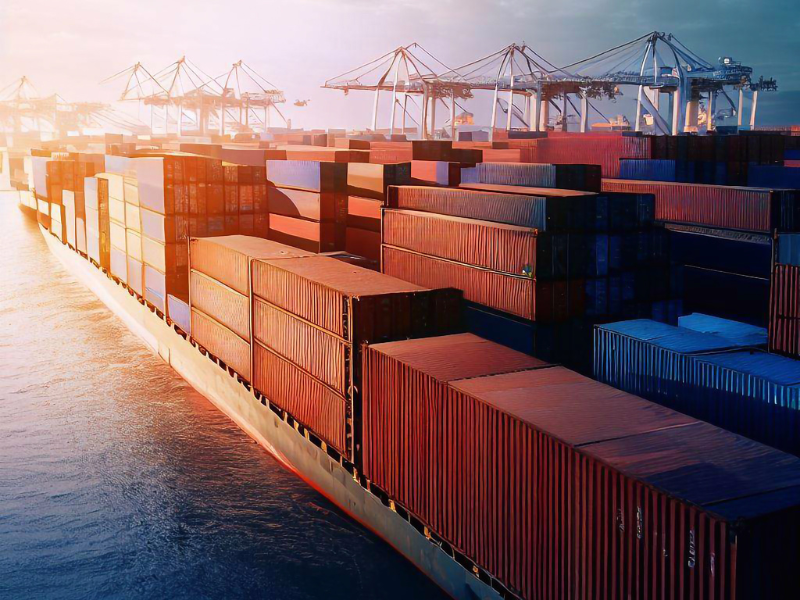
Why Freight Doesn’t Fail at Distance — It Fails at Visibility
Freight does not fail at distance, but at the breakdown of visibility and coordination between handovers in the supply chain, where small gaps create operational delay and uncertainty.
The real challenge in logistics is not movement. It is coordination.
Freight movement is often misunderstood as a distance problem. In reality, most logistics failures are not caused by how far goods need to travel. They are caused by how visible, coordinated, and controlled the movement is across multiple stages.
Distance is predictable.
Visibility is not.
The Illusion of Control in Freight Movement
On the surface, freight operations appear structured:
- bookings are confirmed
- shipments are dispatched
- tracking systems are in place
- milestones are recorded
This creates the perception of control. However, control in logistics is not defined by movement. It is defined by coordination between stages.
Where Freight Visibility Actually Breaks Down
Freight does not fail in one place.
It fails between points:
- between dispatch and carrier handover
- between customs processing and clearance approval
- between port arrival and final release
- between system updates and real-world movement
Each handover introduces a delay, dependency, or interpretation point. This is where visibility begins to degrade.
Why Delays are Rarely Single-Point Failures
When freight is delayed, the cause is often attributed to one event.
In reality, delays are usually the result of multiple small breakdowns:
- incomplete status updates
- delayed documentation
- communication gaps between stakeholders
- inconsistent tracking across systems
Individually, these issues seem minor. Collectively, they create disruption.
From Movement to Coordination
Freight success is not defined by transport alone. It is defined by coordination across all stages of movement. When coordination is weak, even efficient transport cannot prevent delay. This is why visibility matters more than distance. Because visibility enables coordination.
The Real Risk in Freight Forwarding
The greatest operational risk in freight forwarding is not transport failure. It is uncertainty between nodes in the supply chain. When stakeholders do not share the same operational picture, decision-making becomes reactive instead of controlled.
This leads to:
- delays that cannot be predicted early
- exceptions that escalate before detection
- reduced reliability in delivery timelines
- increased operational friction across partners
The Role of Professional International Holdings
Professional International Holdings operates in an environment where visibility and coordination are critical to performance. The focus is not only on moving freight.
It is on ensuring that each stage of movement is connected, visible, and aligned across the supply chain. Because freight does not fail at distance. It fails when visibility is lost between stages of movement.
Conclusion
Distance is not the challenge in modern logistics.
Visibility is.
And when visibility is fragmented, even the most efficient transport systems become reactive rather than controlled. The future of freight forwarding is not faster movement. It is better coordination.
Request a Freight Visibility Review
Professional International Holdings provides structured freight visibility assessments designed to identify coordination gaps, visibility breakdowns, and operational risks across the supply chain.
Explore smarter solutions, deeper insights, and proven ways to improve your operations and decision-making.